Flavobacteria
Flavobacterium
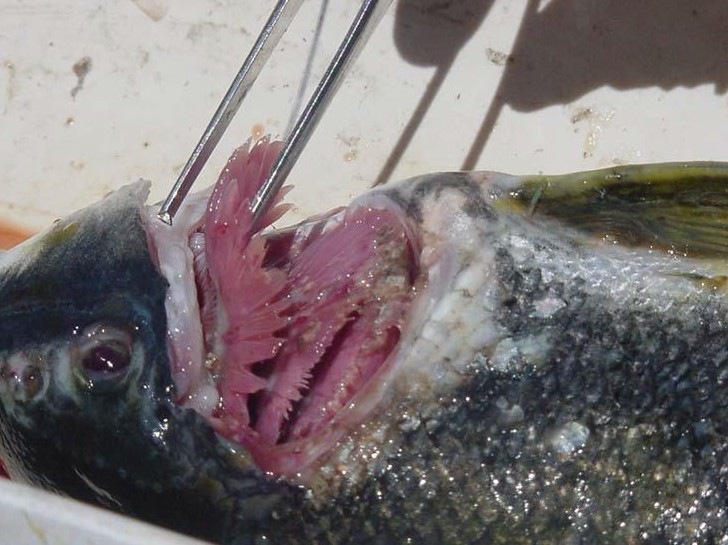
Flavobacterium is a genus of Gram-negative, aerobic, rod-shaped bacteria characterized by their distinct yellow pigmentation derived from flexirubin pigments. They are ubiquitously distributed in soil and aquatic ecosystems, where they excel at degrading complex organic macromolecules such as chitin, pectin, and proteins. In aquatic ecology, they play a vital role in nutrient cycling, although some species act as opportunistic pathogens in fish populations under stressful conditions. The genus includes both psychrophilic species adapted to cold environments and mesophilic representatives.
Details
Identification
Yellow colonies on agar media, gliding motility, Gram-negative staining, rod-shaped morphology, catalase and oxidase positive.
Diet
Chemoorganotrophic; degradation of organic polymers such as chitin, cellulose, and proteins via extracellular enzymes.
Ecology
Ecological role
Important decomposers in the carbon and nitrogen cycles; involvement in the microbial loop and the breakdown of detritus.
Natural predators
Bacterivorous protozoa (flagellates, ciliates) and bacteriophages.
Competitor species
Other aquatic bacteria such as Pseudomonads or Cytophaga species.
Ecosystem service
Mineralization of organic matter and contribution to the self-purification of water bodies.
Threats
Chemical pollution, especially antibiotic residues in water bodies, and extreme pH fluctuations.
Scientific profile
Profile
Habitat
Widely distributed in aquatic ecosystems (freshwater, marine, brackish water), soils, sediments, as well as extreme habitats like glacial ice, Antarctic lakes, and hydrothermal vents.
Ecological role
Important decomposers in the global carbon and nitrogen cycles. They specialize in the degradation of biopolymers and contribute significantly to the remineralization of organic matter in water bodies.