Pseudomonads
Pseudomonas
Pseudomonas is a genus of Gram-negative, rod-shaped bacteria belonging to the family Pseudomonadaceae. They are renowned for their immense metabolic versatility and are found globally in soil, water, and as part of the microbiota of plants and animals. Most species are aerobic and move using polar flagella. While some members are significant pathogens, others play crucial roles in biotechnology and the biodegradation of environmental pollutants.
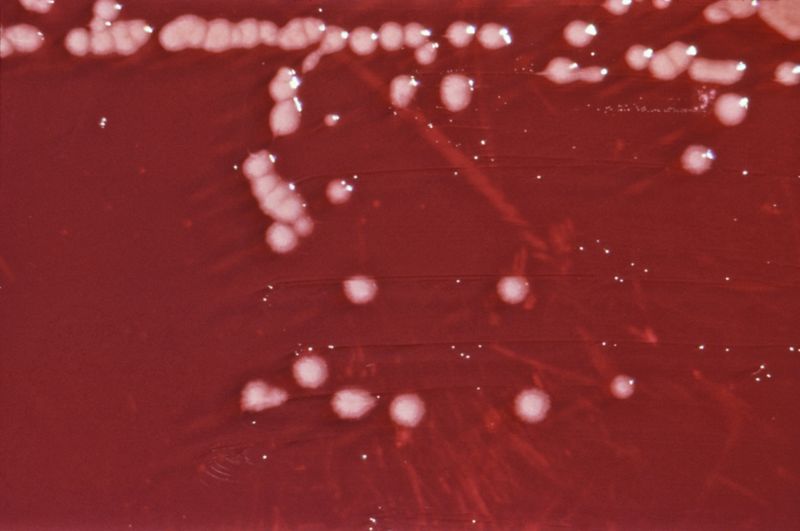
Details
Identification
Gram-negative rods, polar flagellation (one or more flagella), oxidase-positive, mostly obligate aerobes, ability to produce pigments (e.g., pyocyanin or fluorescein).
Social behavior
Can form biofilms and communicate via quorum sensing to coordinate group behaviors.
Diet
Predominantly chemoorganotrophic; utilize an extremely wide range of organic compounds as energy sources, including carbohydrates, alcohols, and aromatic compounds.
Overwintering
Survival through metabolic inactivity or in protected habitats (soil, water).
Ecology
Ecological role
Important decomposers in nutrient cycles, degradation of complex organic substances, partly symbiotic with plants (growth promotion) or pathogenic to animals and plants.
Natural predators
Bacteriophages, protozoa (e.g., amoebae and ciliates).
Competitor species
Other soil and water bacteria such as Bacillus species or enterobacteria.
Ecosystem service
Degradation of pollutants (bioremediation), nitrogen fixation (some species), promotion of plant health by suppressing soil pathogens.
Scientific profile
Profile
Habitat
Ubiquitously distributed in the environment; prefers moist habitats such as freshwater, wastewater, moist soils, and the rhizosphere of plants.
Ecological role
Important decomposers in the carbon cycle; degradation of complex organic compounds and pollutants (bioremediation); promotion of plant growth by suppressing pathogens.