Hay bacillus
Bacillus subtilis
Bacillus subtilis is a widespread, Gram-positive bacterium naturally found in soil and the gastrointestinal tract of ruminants and humans. It is characterized by its ability to form highly resilient endospores that can withstand adverse environmental conditions such as heat and desiccation. In scientific research, it serves as a key model organism for studying cell wall biology and sporulation processes.
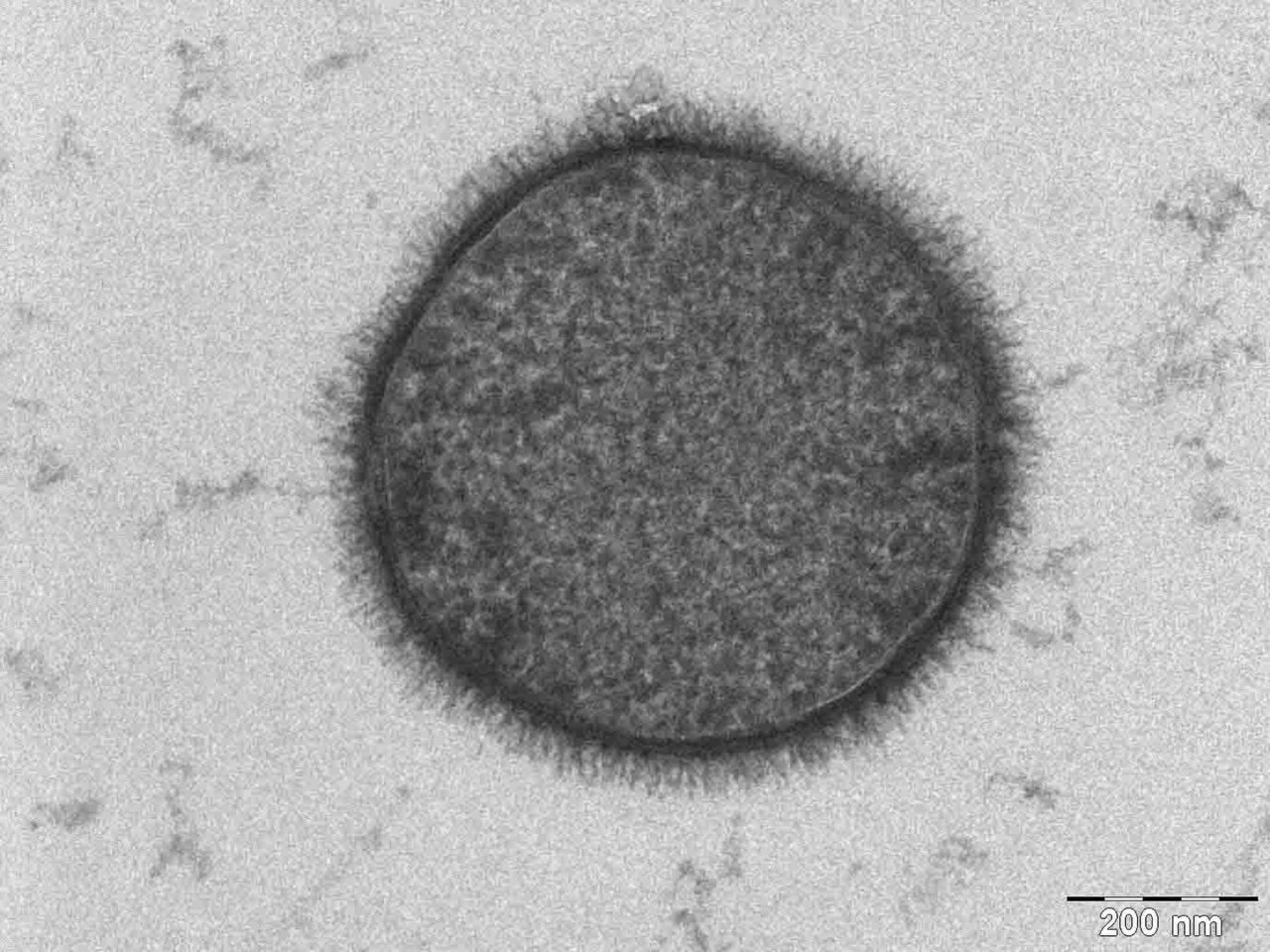
Details
Identification
Rod-shaped cells, formation of endospores, positive Gram stain, motility through peritrichous flagella.
Social behavior
Ability to form biofilms and coordinate through quorum sensing to optimize nutrient uptake.
Diet
Decomposition of complex organic compounds such as carbohydrates and proteins through the secretion of exoenzymes.
Overwintering
Formation of endospores that can survive in a dormant state for decades.
Ecology
Ecological role
Plays a central role in decomposing organic matter in the soil and promotes plant growth as a rhizobacterium.
Natural predators
Bacterivorous protozoa, nematodes, and specific bacteriophages.
Competitor species
Other soil microorganisms such as actinomycetes and various fungal species.
Ecosystem service
Contribution to humus formation, suppression of plant diseases, and nutrient mobilization.
Scientific profile
Profile
Habitat
Primarily soil (upper layers), but also freshwater habitats and plant surfaces. Considered a model organism for soil bacteria.
Ecological role
Important decomposer in carbon and nitrogen cycles. Acts as a Plant Growth-Promoting Rhizobacterium (PGPR) by mobilizing nutrients and suppressing plant pathogens.