Bacteroidetes
Bacteroidota
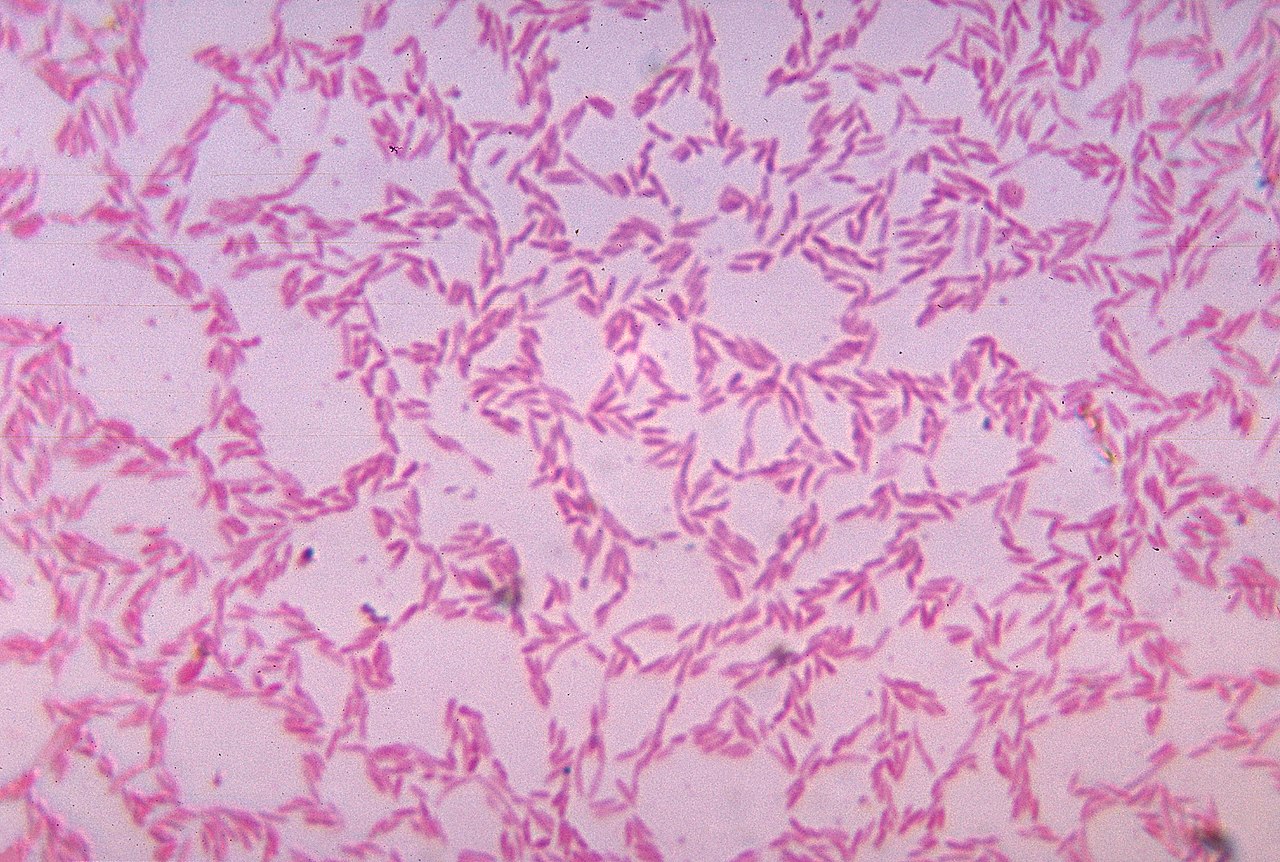
Bacteroidetes (Bacteroidota) are a diverse phylum of Gram-negative, non-spore-forming bacteria found in nearly every environment on Earth. They are typically rod-shaped and are renowned for their specialized ability to degrade complex organic polymers such as polysaccharides. They inhabit various niches, including soil, marine and freshwater systems, and the gastrointestinal tracts of animals and humans, where they are essential for metabolic processes.
Details
Identification
Gram-negative cell wall, lack of endospore formation, often exhibit gliding motility, and possess specialized enzymes for biopolymer degradation.
Social behavior
Often organized in complex biofilms; they communicate via quorum sensing and live in close symbiotic or commensal relationships with host organisms.
Diet
Heterotrophic nutrition; specialized in the degradation of complex carbohydrates such as cellulose, chitin, pectin, and proteins.
Ecology
Ecological role
Central role in the global carbon cycle through biomass degradation; essential symbionts in the digestive tract for energy harvesting.
Natural predators
Bacteriophage viruses, predatory protists (e.g., amoebae), and other bacteria (e.g., Bdellovibrio).
Competitor species
Other bacterial phyla such as Firmicutes, Proteobacteria, and Actinobacteria competing for nutrients.
Ecosystem service
Nutrient recycling, supporting gut health, degradation of pollutants and organic waste.
Threats
Antibiotic use (for commensal species), extreme environmental pollution, drastic changes in pH levels.
Scientific profile
Profile
Habitat
Ubiquitous distribution: Gastrointestinal tract of animals, freshwater, marine environments (especially on organic particles), soils, sediments, and extreme sites like hydrothermal vents.
Ecological role
Essential decomposers in the carbon cycle; primary degraders of high-molecular-weight organic compounds. In the gut, they assist in the breakdown of dietary fibers.